Наша команда юристов специализируется на возврате средств, потерянных из-за брокеров и инвестиционных аферистов. Мы разбираем каждый случай, собираем доказательства и добиваемся результата через банки и регуляторы.
Помочь людям, обманутым онлайн-мошенниками, вернуть свои деньги быстро и законно.
Наше видение
Создать надежную защиту для инвесторов в России от финансовых схем.
Наши ценности
Честная оценка, конфиденциальность и оплата по результату.
Наша специализация
К справедливости и возврату средств
Наша команда юристов с опытом в финансовом праве помогает жертвам онлайн-мошенничества вернуть потерянные деньги. Мы разбираем сложные случаи с брокерами и инвест-аферами, используя проверенные методы для быстрого результата.
Вот реальные истории наших клиентов, которые потеряли деньги из-за мошенников, но смогли их вернуть с нашей помощью. Каждый случай показывает, как мы разбираемся в ситуации и добиваемся результата.
Обман брокером
2023-2024
Клиент перевел 1 700 000 рублей на фейковую платформу для торговли акциями, где показали прибыль, но заблокировали вывод. Мы собрали доказательства и через чарджбэк вернули всю сумму за 3 месяца.
Инвестиционная афера
2024-2025
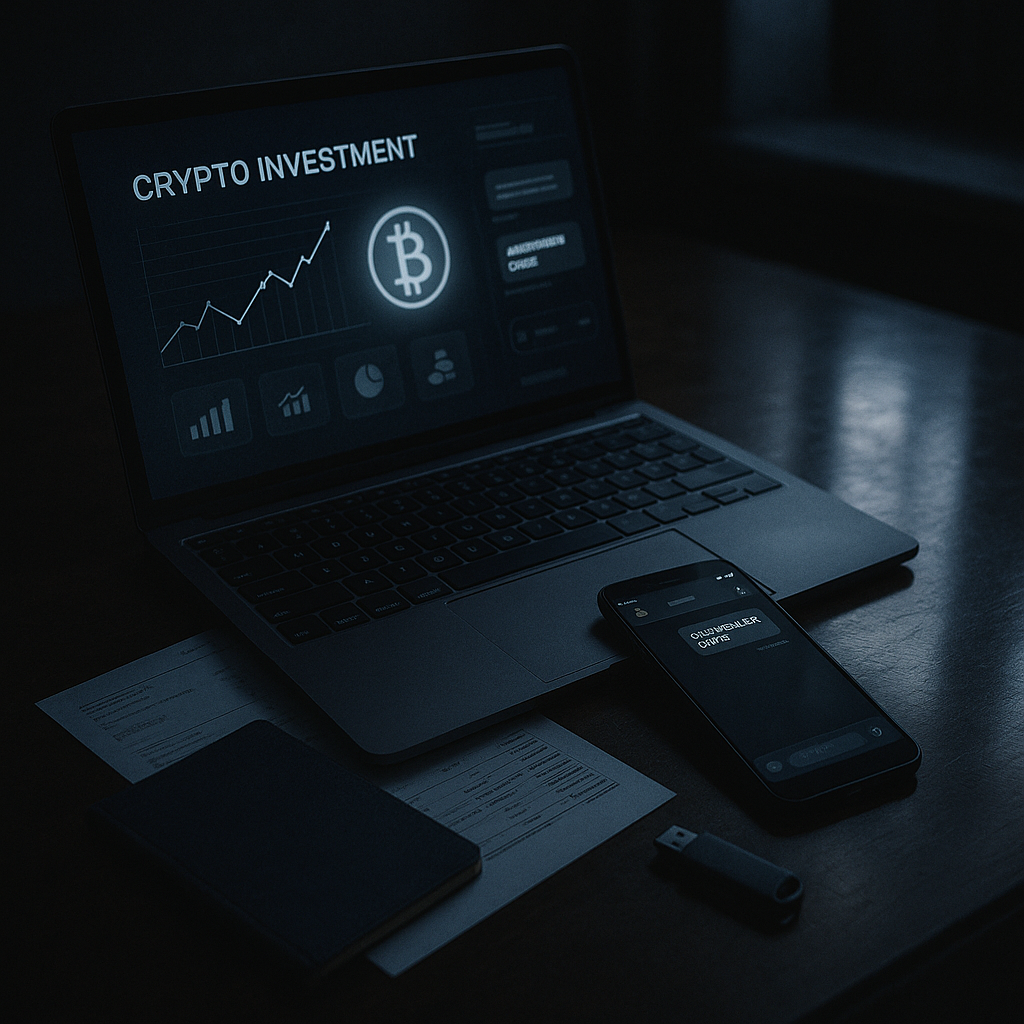
Жертва вложила 900 000 рублей в ‘прибыльный проект’ с криптовалютой, который оказался пирамидой. Наша команда подала претензии в банк и регуляторы, вернув 85% средств без суда.
Как начать возврат средств?
Консультация:
Расскажите о своей ситуации, мы оценим шансы на возврат бесплатно.
Сбор доказательств:
Собираем скрины, переписку и выписки для сильной претензии.
Возврат средств:
Запускаем чарджбэк или претензии в банк, добиваемся результата.
Мы проводим вас через все этапы возврата денег от мошенников — от анализа случая до получения средств на счет. Просто оставьте заявку, и мы начнем.
Бесплатная консультация по возврату средств от мошенников
Оставьте заявку, и мы оценим ваш случай за 24 часа